
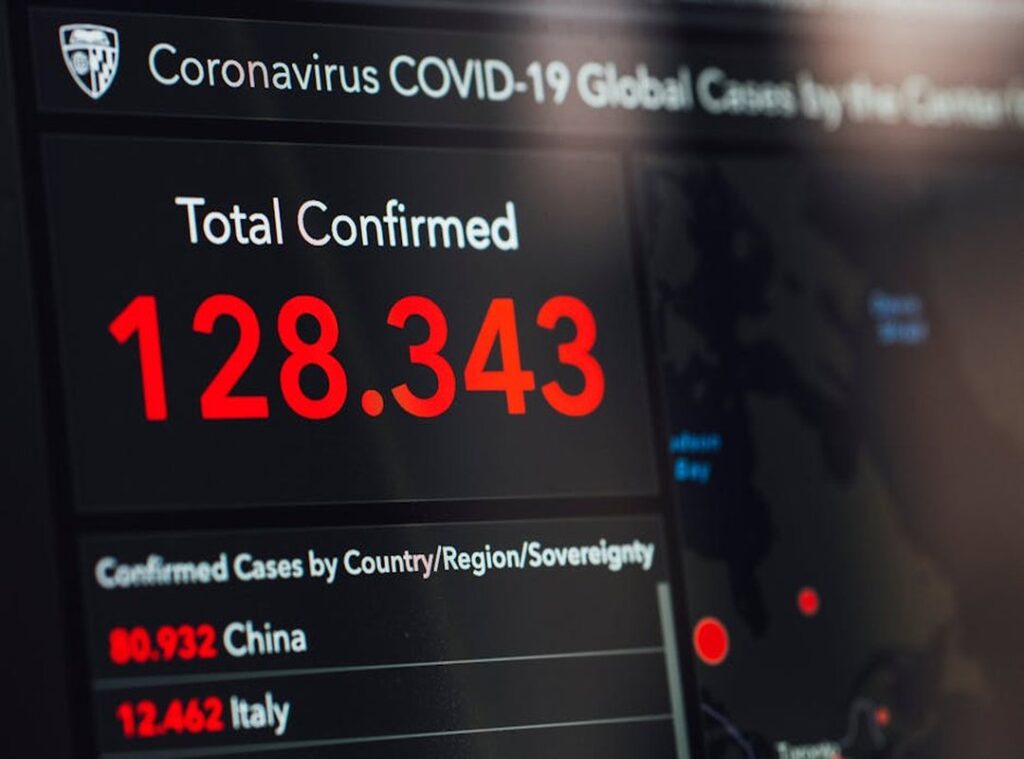
You wake up and grab your phone before your coffee.
You want to know who owned the diamond yesterday. Not just who got hits. But who actually controlled the game.
But then you land on that Sffare page. And stare. And scroll.
And wonder what any of it means.
Sffarebaseball Statistics Yesterday isn’t a cheat sheet. It’s not a raw dump of numbers.
It’s data with teeth.
I’ve spent years untangling baseball analytics (most) of it designed to confuse, not clarify.
This guide cuts through the noise. No jargon. No fluff.
Just how to find the numbers, read them right, and use them to make smarter calls today.
You’ll walk away knowing exactly which stats matter. And why the rest are just decoration.
That’s the edge you’re after. Let’s go get it.
How to Pull Yesterday’s Sffare Stats in 90 Seconds
I open Sffarebaseball every morning before coffee. Not because I love spreadsheets (I) don’t (but) because the raw numbers hit different when they’re fresh.
Here’s how I get Sffarebaseball Statistics Yesterday without scrolling past three menus or waiting for a spinner:
- Go to the homepage
- Click “Scores”.
Not “Schedule”, not “Standings”. “Scores”. It’s top-left, bold, easy to miss if you’re rushing
- Click the calendar icon (it looks like a tiny grid with a date)
4.
Pick yesterday. Not today. Not last week.
Yesterday. (Yes, I’ve clicked the wrong day. Twice.)
You’ll land on a clean list of games. Each box score has a gray header with team names, final score, and inning count. The font is slightly larger than the rest.
That’s your cue.
Now. Filters. Click “AL” or “NL” if you only care about one league.
Click a specific game to expand it. Click a player’s name to see their full line. Not just hits, but exit velocity, launch angle, even spray chart if it’s loaded.
Toggle views using the small tabs above the stats: Box Score, Play-by-Play, Player Logs. Box Score is what you want most days. Play-by-Play is for when you need to know who threw the wild pitch in the 7th.
Pro tip: Bookmark the exact URL after you filter for AL + yesterday. It saves 12 seconds. Over a month?
That’s 6 minutes. Enough time to reheat your coffee and read the top headline.
You’ll know it’s working when the page loads and you see “Yesterday” in the header (not) “Today”, not “Last Game”.
Does it update automatically at midnight? No. You still have to click refresh.
(I forget this weekly.)
It’s not magic. It’s just built right.
Pitcher Truths: What the Box Score Won’t Tell You
Wins and losses? ERA? Please.
They’re like judging a chef by whether the dining room was clean.
I’ve watched pitchers get booed after a 4-run outing where two runs were unearned errors (and) zero of their pitches were bad.
That’s why you need more than the basics.
Sffarebaseball Statistics Yesterday gives you real-time access to metrics that actually reflect performance.
Let’s cut through the noise.
FIP stands for Fielding Independent Pitching. It ignores defense and luck. It only counts walks, hits, strikeouts, and homers.
Things the pitcher controls.
A FIP under 3.00 in one game? That’s elite. Over 5.00?
Rough day (even) if the ERA says otherwise.
WHIP is simpler: Walks + Hits per Inning Pitched. A WHIP under 1.00 means you’re barely letting anyone on base. Over 1.40?
You’re in trouble.
K/9 tells you how many strikeouts per nine innings. 10+ is dominant. Under 6? You’re not missing many bats.
Here’s what happens when they clash:
If a pitcher had a high ERA but a low FIP yesterday, his defense let him down. Or the ball found gloves that weren’t there.
It’s not magic. It’s math with context.
| Stat | What it measures | “Good” for one game |
|---|---|---|
| ERA | Runs allowed per 9 innings (includes defense) | Under 3.00 |
| FIP | Pitcher-controlled outcomes only | Under 3.00 |
| WHIP | Base runners allowed per inning | Under 1.00 |
I check FIP first now. Always.
ERA lies. FIP doesn’t.
You’ll start seeing patterns faster than you think.
Try it tonight. Look at one pitcher’s FIP and ERA side by side.
I covered this topic over in Sffarebaseball Upcoming Fixtures.
Ask yourself: Did he pitch well (or) did the box score just forget to ask?
What Really Counts When a Hitter Steps Up
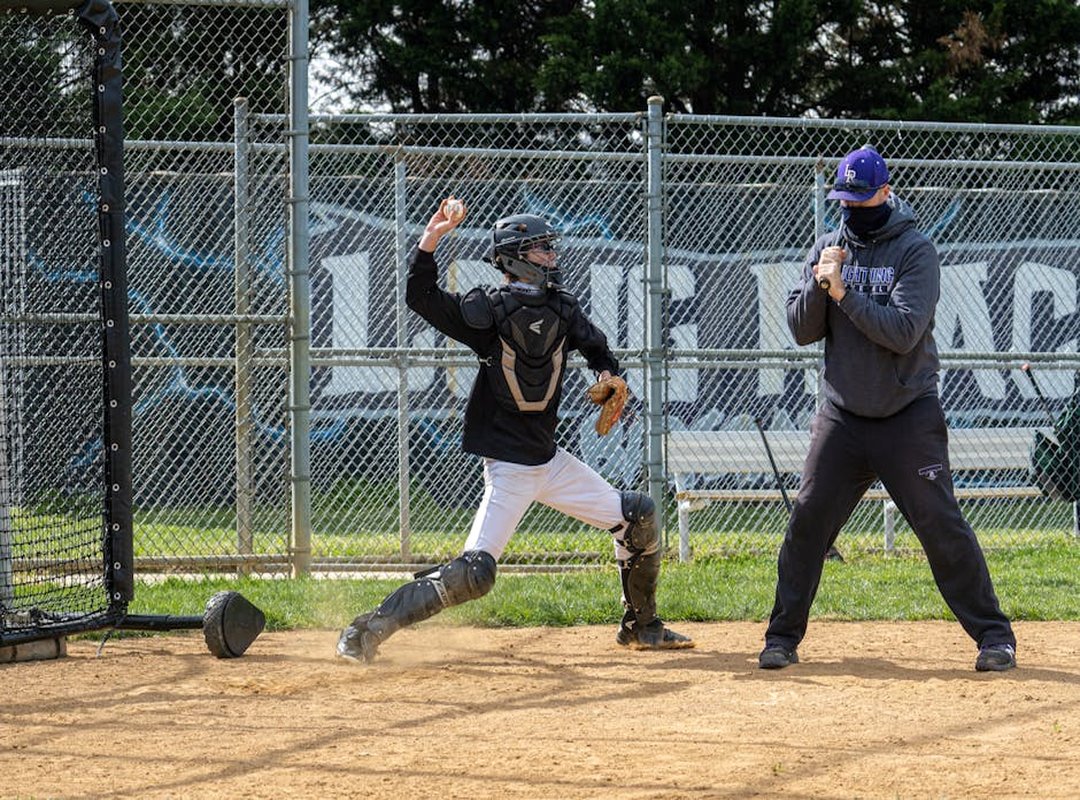
I’ve watched hitters go 0-for-4 and still win the game for their team.
How? They drew three walks. Hit a line drive right at the shortstop.
Got hit by a pitch. That’s not empty at-bats. That’s pressure, discipline, and hard contact.
Sffarebaseball Statistics Yesterday doesn’t care how many hits you got. It cares what you did with each plate appearance.
Let’s cut to the metrics that actually reflect value.
OPS is your first stop. It’s just On-base Percentage + Slugging Percentage. OBP tells you how often they reach base.
Walks count. Slugging tells you how hard and far they hit when they make contact. A walk + a double = great day.
Two weak singles + a strikeout = less great.
Then there’s wOBA. Weighted On-base Average. It gives more credit for a home run than a walk.
And more for a walk than a single. It weights outcomes by how much they actually move the run-scoring needle.
You’ll see it instantly in Sffare’s data.
A player who went 1-for-3 with two walks? Their OPS was likely higher than the guy who went 2-for-5 with three strikeouts and two grounders to second.
And if someone looks cold but keeps hitting rockets right at gloves? Check BABIP. Batting Average on Balls in Play.
League average sits around .300. A guy at .220 with exit velocities over 95 mph? He’s probably unlucky.
Not bad.
That’s why I always check BABIP before writing off a hitter.
Want to know who’s due for a hot streak? Look at the numbers behind the box score. Not the box score itself.
The best way to spot those players early? Cross-reference with the Sffarebaseball upcoming fixtures. Especially when pitchers with shaky control face high-OBP lineups.
The One-Day Delusion: Why Baseball Fans Lose Their Minds
I check the box scores every morning. So do you.
And I’ve done it too (seen) a star go 0-for-4 and immediately typed “What’s wrong with him?” into a group chat. (Spoiler: nothing.)
Baseball isn’t decided in one game. It’s decided over 162 games. Over thousands of plate appearances.
Over years.
A single day’s performance is noise. Not signal.
Judging a player on Sffarebaseball Statistics Yesterday is like judging a chef on one burnt toast. Or a pilot on one bumpy landing.
You wouldn’t fire your doctor after one bad blood test. So why bench your fantasy pick after one slump?
Look at trends. Look at the last 30 days. Look at exit velocity, launch angle, chase rate (not) just hits and errors.
Yesterday’s data is one tile. Not the whole floor.
If you want today’s matchups. Real-time, clean, no fluff (check) the this resource.
Stats Don’t Win Games. You Do
I’ve seen too many coaches stare at spreadsheets until their eyes blur.
You’re drowning in numbers. Not because there’s too much data (but) because you don’t know which numbers mean something.
Sffarebaseball Statistics Yesterday isn’t about volume. It’s about clarity.
FIP tells you what the pitcher actually controlled. OPS shows what the hitter actually produced. That’s it.
Section 4 proved it: one day’s data is useless alone. But strung together? It reveals real trends.
So what are you waiting for?
Go back to yesterday’s Sffare data right now.
Pick one game.
Run FIP for the starter. Run OPS for the top three hitters.
See what jumps out.
Not tomorrow. Not after practice. Now.
You already know what to look for.
So go look.