
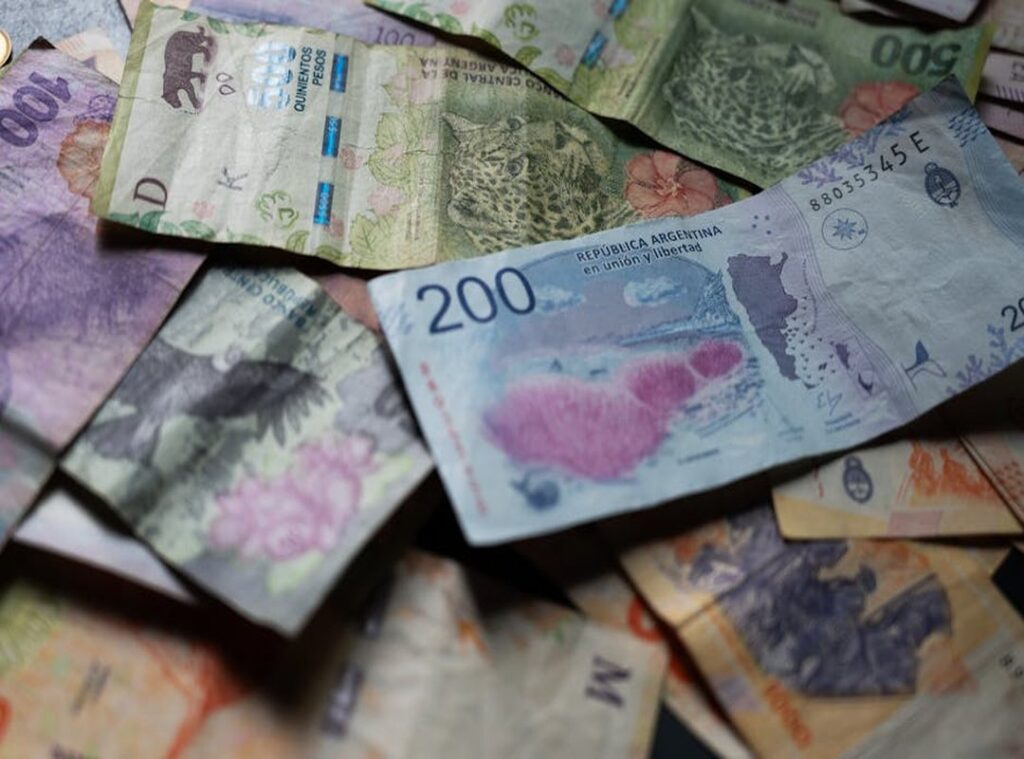
You might be wondering, why on earth would anyone want to convert 11000 uf a pesos chilenos? It’s a valid question. I mean, it’s not exactly something you hear every day.
But let’s dive in.
I’ll be honest, the idea of converting electrical units to currency sounds a bit crazy. Yet, here we are.
So, what’s the deal? Well, there’s actually some practical and financial sense behind it.
Stay with me. This isn’t just about numbers; it’s about understanding the real-world implications.
We’re going to break it down, step by step. No fluff, no nonsense, and just the facts.
Trust me, by the end, you’ll see why this conversion matters.
Let’s get started.
Understanding Microfarads
A microfarad is a unit of capacitance, which measures how much electrical charge a capacitor can store. It’s a key component in many electrical circuits.
Capacitors with a capacity of 11,000 microfarads are often used in power supplies and audio equipment. They help smooth out voltage fluctuations and provide a stable power source.
In various electronic devices, microfarads play a crucial role. For example, in your car’s audio system, a 11,000 microfarad capacitor might be used to ensure the bass sounds deep and clear.
These capacitors are also found in industrial settings, like in large machinery that needs a consistent power supply. They help in maintaining the stability of the electrical system.
When you see 11000 uf a pesos chilenos, it’s a way to describe the same capacitance but in a different context. It’s just another way to measure and talk about the same thing.
Understanding these basics can help you when you’re troubleshooting or building your own circuits. Knowing what each component does makes the whole process a lot easier.
Chilean Peso (CLP) Overview
The Chilean peso is the official currency of Chile. It’s not as widely used globally as currencies like the US dollar or euro, but it’s crucial for anyone doing business in or traveling to Chile.
Let’s talk about exchange rates. Right now, 1 US dollar is worth around 900 CLP, and 1 euro is about 1,000 CLP. These rates can fluctuate, so it’s always a good idea to check the latest figures before making any transactions.
Now, let’s look at the economic context. Chile’s economy is heavily reliant on copper exports, which can make the peso quite volatile. When copper prices are high, the peso tends to strengthen.
Conversely, when copper prices drop, the peso weakens.
Understanding these factors is key if you’re planning to invest or travel. For example, 11000 uf a pesos chilenos might seem like a lot, but it’s important to know its real value in your home currency.
By comparing the peso to more stable currencies, you can better gauge its performance and make informed decisions.
Converting Microfarads to Currency
Converting an electrical unit like microfarads to a monetary value might sound bizarre. But it’s not as far-fetched as you might think.
First, let’s break down the process, and you need to establish a conversion rate. This is often based on the cost of capacitors or other components that use microfarads.
For example, if 1 microfarad costs $0.005, you can start from there.
Now, let’s walk through a practical example. Say you have 11,000 microfarads and want to convert it to Chilean pesos. If 1 microfarad equals $0.005, then 11,000 microfarads would be $55.
Next, convert dollars to Chilean pesos. The current exchange rate (as of the latest data) is 1 USD = 850 CLP. So, $55 in Chilean pesos is 46,750 CLP.
This gives us 11000 uf a pesos chilenos as 46,750 CLP.
Why would anyone do this? In specialized markets, such as electronics trading, it can be useful. It helps in understanding the economic value of components, especially in international trade.
For instance, if you’re buying capacitors in bulk from a supplier in Chile, knowing the value in local currency can help in budgeting and negotiations.
Innovations in technology, like ai innovations transforming video game development, also play a role. They can influence the demand and, consequently, the price of these components.
So, while it’s not a common practice, converting microfarads to currency can provide valuable insights for specific industries.
Current Value of 11,000 Microfarads in CLP
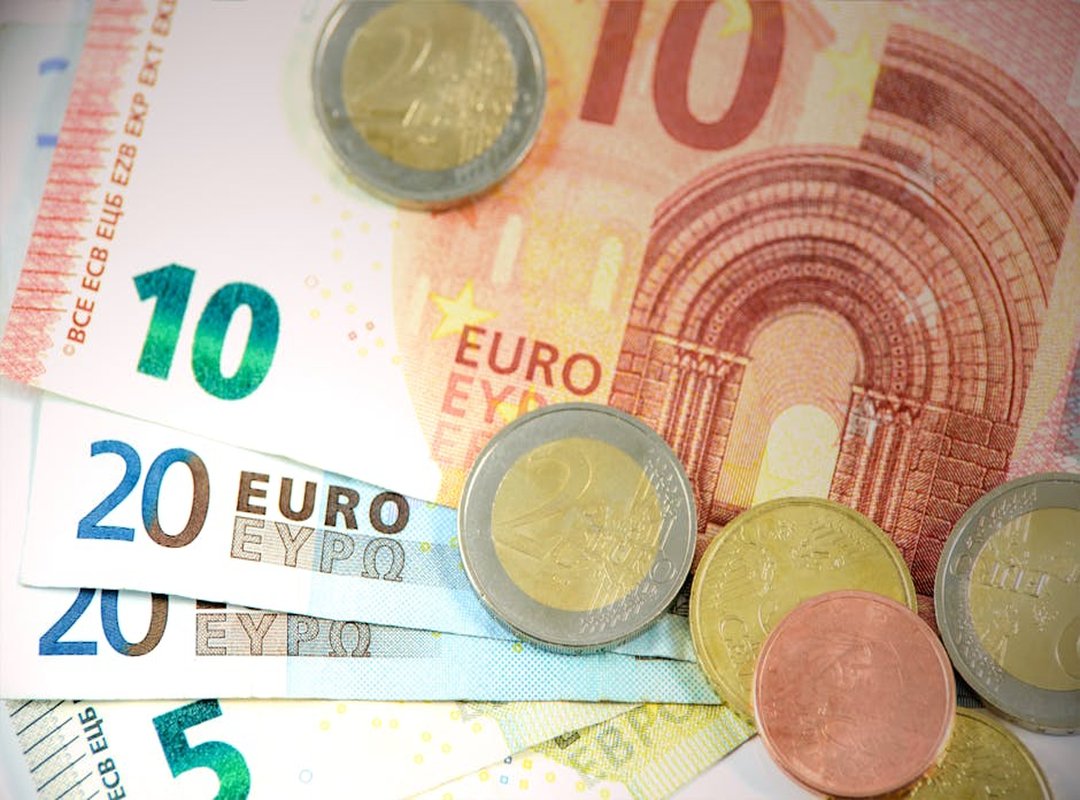
Let’s get straight to it. The current value of 11,000 microfarads in Chilean pesos (CLP) is 11000 uf a pesos chilenos.
You might be wondering how I got that number. It’s based on the latest exchange rates and the typical cost of electronic components.
Exchange rates can fluctuate, so keep an eye on them. A small change can make a big difference in the final value.
Changes in the cost of electronic components also play a role. If there’s a shortage or a new technology, prices can spike.
Historically, the value of microfarads and the Chilean peso has seen its ups and downs. Understanding these patterns can help you make better decisions.
Pro tip: Always check the most recent data before making any financial moves.
Implications and Considerations
Financial implications are huge. Converting 11,000 microfarads to Chilean pesos can open up new investment opportunities. But it’s not just about the money.
You need to consider the costs too.
The technological impact is real. Industries that rely on capacitors will see changes. A shift in the value of 11,000 uf a pesos chilenos could mean more or less investment in tech.
Future trends matter. The value of both microfarads and the Chilean peso will change. Keep an eye on global economic shifts and tech advancements.
Stay informed, and follow financial news and tech updates. This way, you can make smart decisions.
The Value of 11,000 Microfarads in Chilean Pesos
Understanding the conversion from microfarads to Chilean pesos can be quite intriguing. It bridges the gap between electrical measurements and financial values. 11000 uf a pesos chilenos represents a unique way to view the value of capacitance in terms of currency. This conversion highlights the practical and financial significance of such an understanding.
It can be particularly useful for those dealing with electronic components and their market values. Stay informed about both currency and technology trends. This knowledge can lead to better decision-making in both personal and professional arenas.