

You’re watching a baseball game. The announcer says “can of corn” and you blink. Then “6-4-3 double play” and you glance at your friend like what did he just say?
I’ve been there.
More times than I care to admit.
This isn’t about memorizing definitions.
It’s about hearing the words as they happen. And finally knowing what they mean.
I’ve spent years watching, breaking down, and teaching this game. Not from a textbook. From the dugout.
From the stands. From late-night rewinds.
This guide cuts through the noise.
It explains Baseball Terms Sffarebaseball the way real fans use them (not) how a dictionary does.
By the end, you’ll understand the calls. You’ll spot the plays. You’ll talk about the game like you belong in the conversation.
No fluff. No filler. Just clarity.
At the Plate: Batter vs. Pitcher, Then What?
This is where baseball happens. Not in the dugout. Not on the mound.
Right here. With the batter standing in, the pitcher winding up, and everything else on hold.
I’ve watched thousands of at-bats. And still, I get tense when the count hits 3-2. You do too, right?
Let’s clear up the basics. Fast.
An At-Bat isn’t the same as a Plate Appearance. At-Bat only counts if the batter puts the ball in play, strikes out, or hits a sacrifice fly. Walk?
Hit by pitch? That’s a plate appearance. But not an at-bat.
(Yes, it’s dumb. Yes, it matters.)
Ball. Strike. Simple.
Four balls = walk (BB). Three strikes = strikeout (K). K looks weird until you remember it’s from “struck out.” Try saying that three times fast.
Now (what) happens after contact?
Single. Double. Triple.
Home Run (HR). A Grand Slam is just a home run with the bases loaded. No magic.
Just math and timing.
RBI means someone got you home. Run Scored (R) means you crossed the plate. They’re not the same.
I see people mix them up constantly.
Stolen Base (SB)? You take second while the pitcher’s distracted. Caught Stealing (CS)?
You didn’t make it. Tag Up means you must touch your base after a fly ball is caught before advancing. Think of it like pausing a video before hitting play again.
(It’s not optional.)
You want to learn these terms in context, not off a flashcard.
That’s why I send new fans straight to Sffarebaseball (it) breaks down Baseball Terms Sffarebaseball with real game clips and zero jargon.
Lead Off? That’s the first move off first base. It’s not dancing.
It’s physics and nerves.
A good lead gets you 5 feet closer to scoring.
A bad one gets you picked off.
There’s no middle ground.
Watch the runner’s front foot.
Defense Isn’t Just Standing Around
Hitting gets the highlights. Defense wins games you don’t notice until they’re over.
I’ve watched kids stare at the pitcher and forget there are eight other people on the field trying to stop the ball. (They’re not just background noise.)
Here’s how defense actually works (starting) with the nine positions, numbered 1 through 9:
- Pitcher
- Catcher
3.
First baseman
- Second baseman
- Third baseman
6.
Shortstop
- Left fielder
- Center fielder
9.
Right fielder
This numbering isn’t tradition. It’s how scorekeepers record every play. If you don’t know it, you can’t read a box score.
Or understand a double play.
Three ways to get an out: Strikeout, Force Out, and Tag Out.
A strikeout is clean (no) fielders involved. A Force Out happens when a runner has to advance and you get the ball to the base first. A Tag Out?
You literally tag them. No debate.
Now the plays:
6-4-3 is the classic double play (shortstop) to second to first. Fielder’s Choice means you chose to get one runner instead of another. The Infield Fly Rule exists so teams can’t drop easy pop-ups on purpose.
(Yes, that used to happen.)
Stats matter too. Putout (PO) = you recorded the out yourself. Assist (A) = you touched the ball before someone else made the out.
Error (E) = you messed up a play you should’ve made.
I go into much more detail on this in Sffarebaseball results 2023.
Example: Runner on first. Ground ball to shortstop (6). He throws to second (4) for the force (that’s) an assist.
The second baseman steps on the bag. That’s the putout.
You’ll see these numbers everywhere. Including in Baseball Terms Sffarebaseball.
On the Mound: Where Plan Lives
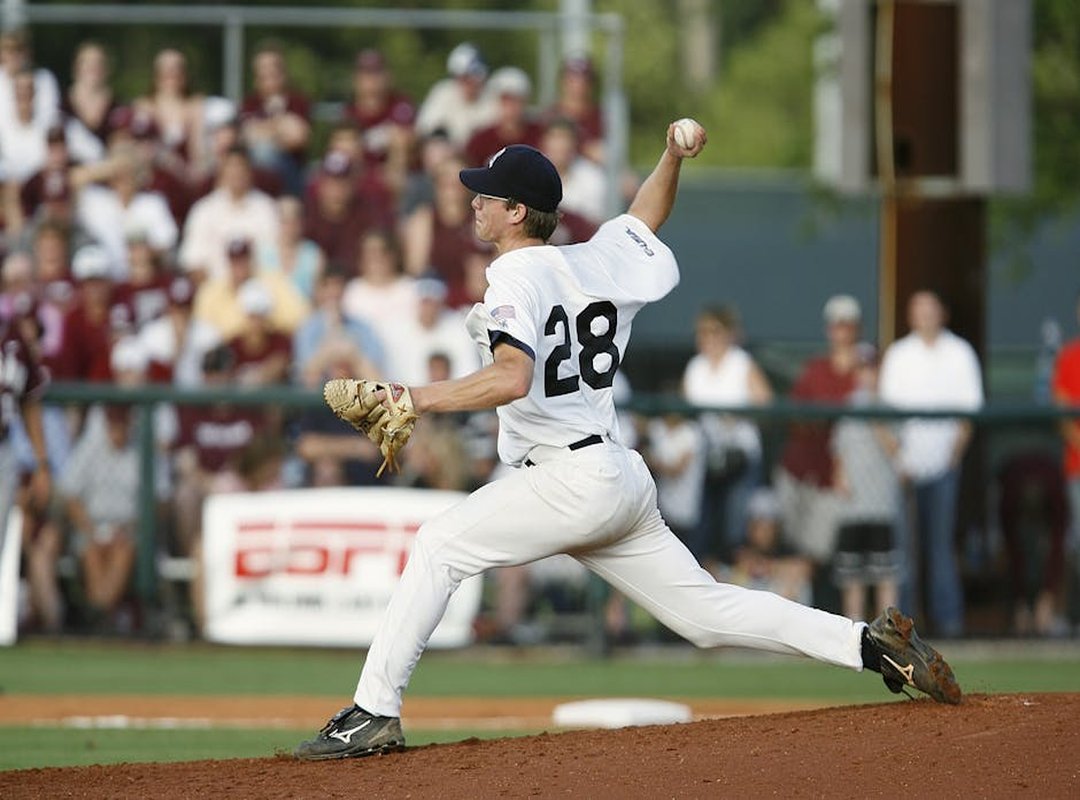
I stand on the mound. Not just physically (mentally.) That rubber slab is where games get decided.
The fastball is your first weapon. Four-seam: straight and fast. Two-seam: sinks.
Same arm speed. Different results.
Curveball drops. Slider cuts sideways. Changeup slows down.
But looks like a fastball until it’s too late.
You don’t throw pitches. You throw intent. Every one has a job.
The mound isn’t just dirt. It’s the only place in baseball where you control the clock, the count, and the tempo. Everything starts there.
Bullpen? That’s where relievers warm up. Not a bar.
Not a meeting room. Just a side patch of grass and a few arms getting loose.
Starting pitcher goes first. Usually five or six innings. Relief pitcher comes in later.
Closer shows up in the ninth. If you’re lucky enough to have a lead.
ERA is your GPA. Earned runs per nine innings. Lower is better.
WHIP measures traffic: walks + hits per inning. Under 1.20? You’re doing something right.
Shutout means zero runs (over) nine innings. No-hitter means zero hits. Perfect game means it hits, zero walks, zero errors, zero baserunners.
Ever.
No-hitters happen. Perfect games? Rare.
One in every 14,000 games or so.
Sffarebaseball Results 2023 shows how often those numbers actually hold up under pressure.
I’ve watched pitchers blow leads with clean ERAs and ugly WHIPs. Stats lie when you ignore context.
A curveball that hangs? A changeup that floats? That’s not mechanics.
That’s focus.
Baseball Terms Sffarebaseball aren’t just jargon. They’re shorthand for what happened (and) why.
You want to know who really controlled the game? Look at the mound. Not the box score.
Not the highlight reel.
Watch the release point. Watch the catcher’s glove. Watch the batter’s swing path.
That’s where truth lives.
Dugout Talk: Slang, Stats, and What Actually Matters
I’ve sat in dugouts where rookies got roasted for saying “hit” instead of “dinger.” (Yes, really.)
“Can of corn” means an easy fly ball. Not food. Just lazy defense.
“Frozen rope” is a line drive so hard it looks like it’s been shot from a cannon. Your eyes blink (it’s) already past the infield.
“Dinger”? That’s a home run. Say it loud.
Say it proud. It’s not fancy (it’s) baseball.
Sabermetrics isn’t magic. It’s just math that asks better questions than “How many hits?”
WAR tells you how many wins a player adds over a scrub off the bench. One number. Total value.
OPS? On-base plus slugging. It counts walks and power.
Batting average ignores both. So yeah (it’s) better.
You don’t need to memorize every stat to sound like you belong.
But if you want real context behind today’s numbers, check out the Sffarebaseball Statistics breakdown.
Baseball Terms Sffarebaseball? That’s what happens when slang meets spreadsheet.
Enjoy the Game on a Whole New Level
I used to stare at baseball games and miss half of what mattered.
You don’t need fluency to feel the game. Just knowing Baseball Terms Sffarebaseball changes everything.
That confusion? Gone. The plan clicks.
The nuance lands. You see why the shortstop moves, why the pitcher shakes off the sign, why the crowd leans in on a full count.
Turn on a game right now.
Listen for the terms you just learned. Try naming each defensive position by number. 1 through 9. Before the announcer does.
It works. I’ve watched people do it live.
Your brain is ready.
Go watch.