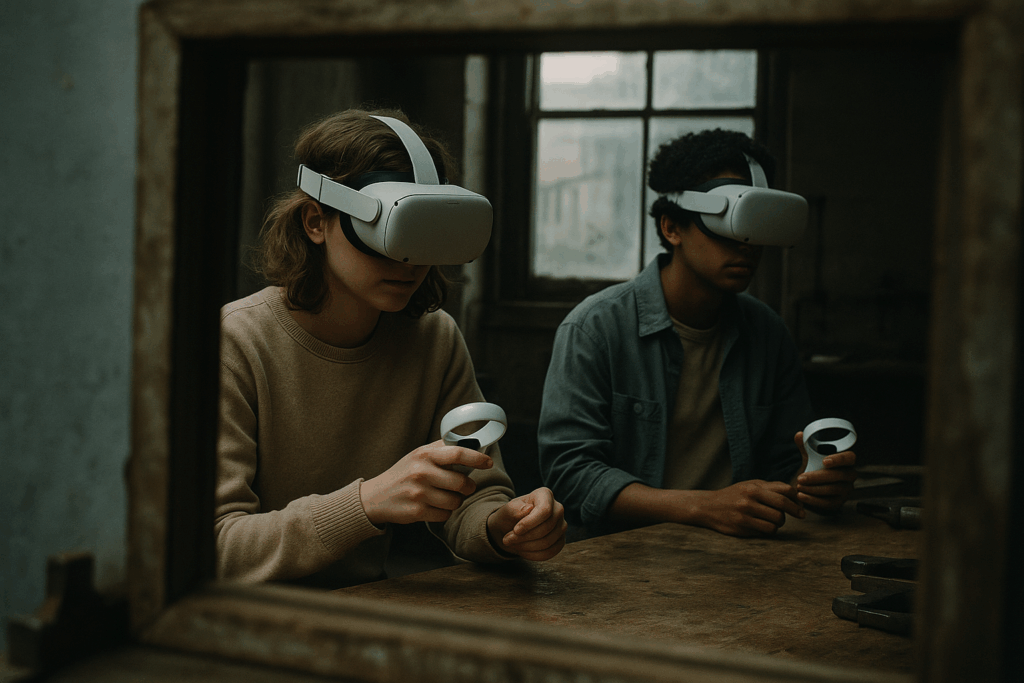

First Login, First Loss
They booted up with a secondhand console, a controller that drifted left when it shouldn’t, and internet slower than a loading screen in 2006. Every lobby felt like a setup for failure shots missed, movements lagged, and the scoreboard looked more like a body count of their mistakes. Most nights ended with frustration and the familiar feeling of being a step behind.
But they kept pressing play. Not because they were racking up wins they weren’t. It was about something deeper: the thrill of “almost,” the fire that burns right after you nearly clutch a win, and the obsessiveness of getting just one thing right. Rage quits happened. So did quiet moments of walking away and logging back in hours later. Giving up would’ve been easier. But that’s never why anyone picks up the sticks.
This was the part no one sees later. No highlight reels, no victory dances. Just muscle memory being built in the shadows, one loss at a time.
Grinding Through the Ranks
They didn’t start with natural talent. No magic reflexes, no coach whispering strats in their ear. Just grind.
Hours stacked up. Input lag turned into razor timing. Rage quits gave way to replays, analyzing frame by frame. The shift didn’t happen all at once it was slow. First came better map sense. Then quicker rotates. Then the muscle memory finally locked in.
But it wasn’t pretty. There were brutal losses. Humbling games where they got steamrolled and still had to show up the next day. What changed wasn’t the competition. It was mindset. Losses started feeling less like failures and more like data.
Then came that first tournament win not even a top tier bracket, but it hit different. The pieces clicked. Not just gameplay, but confidence. They’d earned that moment one failure at a time. From there, it wasn’t about being the best. It was about proving they could get better and keep going.
Building the Right Squad
In the early days, it was chaos random teammates, mismatched strategies, and mics full of static or silence. Skill alone wasn’t cutting it. Losses kept piling up, not because of poor reflexes, but because no one was on the same page. That’s when the lesson clicked: individual talent is great, but if the team doesn’t connect, every game turns into a solo struggle.
Things changed when the squad got serious about chemistry. No more roll of the dice matchmaking. It became about finding players who not only understood the game, but who understood each other. Comms got clearer. Roles were defined. There was trust enough to take risks and enough to cover mistakes. Strategy tightened up. Suddenly, the wins started sticking.
The turning point wasn’t a big tournament. It was a quiet, late night win after three back to back losses, where no one rage quit, and everyone adjusted and stuck together. From there, it wasn’t just five players logging in. It was a team. And that made all the difference.
Leveling Up Off the Screen

Being a great gamer doesn’t stop at mastering the controls. Consistency, endurance, and smart habits away from the screen play a massive role in long term success.
Building a Training Routine IRL
Behind every strong session was a lifestyle built for performance and survival in a demanding, competitive space.
Fitness first: Daily stretches, light cardio, and strength training kept reaction time sharp and posture related strains in check.
Mental clarity: Meditation and focused breathing helped maintain emotional control in stressful matches.
Sleep discipline: Prioritizing 7 8 hours of rest each night improved focus, decision making, and overall recovery.
Gaming isn’t just mental it’s physical and emotional endurance, too.
Studying to Improve
Unlike in game tutorials, real progress came from observation and reflection.
Watched pro tournaments; paused moments to study positioning, pacing, and decision making.
Recorded matches for later review, analyzing mistakes without ego.
Took notes on strategies to test during their own matches, understanding both meta trends and personal weaknesses.
Progress wasn’t guesswork it was intentional, pattern based growth.
Gear Comes Last
Instead of chasing the latest headset or custom setups early on, investment came after improvement.
Upgraded keyboard and mouse only when reaction time demanded it.
Chose performance gear based on tested needs not hype.
Kept tools simple until skill forced a new ceiling.
The takeaway? Equipment can enhance skill, but never replace it. Skills earned the investment and made every upgrade count.
When Adversity Hit Harder
Things broke literally and figuratively. A wrist injury took them offline for weeks. Then came the hate in the comments, waves of it. And the silence. For a long stretch, logging in felt like dragging yourself into a fight you couldn’t win. The spark was gone.
They almost walked away. Would’ve been easy. But instead, they went back to the basics. Short daily sessions that felt more like rehab than gaming. Shut out the noise, connected with real friends, not just followers. Meditation apps replaced leaderboard refreshes for a while.
What brought them back wasn’t a highlight moment it was a slow rebuild. A new sense of why they played in the first place. Clarity stripped of hype. They stopped chasing perfection. Started chasing presence. And that made all the difference.
(See more amazing stories in gamers overcoming adversity)
Victory and What Came Next
The win didn’t come with fireworks. It was a quiet finish in a mid tier tournament, but it was the right game, right timing, and the right crowd watching. That match cemented their name on the leaderboard, followed by a flurry of reposts, mentions, and one unexpected message from a sponsor. Just like that, the DMs filled up and doors opened.
But fame even the niche kind doesn’t come without its grind. The sponsorships brought gear, flights, brand deals… and expectations. Suddenly, every match wasn’t just about learning or fun. It was performance. Pressure filled the gap where casual joy used to live. For a while, that messes with your head.
What saved them wasn’t another win it was stepping back. Getting off the leaderboard for a minute. Treating games like the thing they once loved, not just a paycheck. That shift kept them in the game, long term. Because in the end, it wasn’t just about climbing. It was about staying in love with the climb.
Words for the Next Up and Comers
Feeling Overwhelmed? You’re Not Alone
Starting out in the gaming world can be chaotic, frustrating, and at times defeating. Everyone sees the highlight reels, but every pro started exactly where you are: confused, inconsistent, and full of doubts.
If you’re feeling stuck:
Know that improvement takes time and intention
Don’t compare your progress to others everyone has their own pace
Focus on learning a little more with each match, not winning every time
Love the Grind, Not Just the Glory
The biggest secret among top tier gamers? They don’t just love the wins they love the grind.
Why the grind matters more than the spotlight:
Fame fades; skill doesn’t
Progress only happens through repetition and effort
Moments of growth often happen in private, off camera, and without fanfare
Shift your mindset from chasing short term recognition to building long term mastery. That’s where real fulfillment begins.
For Anyone Facing Setbacks
Whether it’s a losing streak, burnout, or doubts about your path setbacks are part of the process. They don’t signal the end. They mark a turning point, if you let them.
Practical strategies to stay in the game:
Take breaks without guilt rest is part of getting better
Talk with others who’ve been through it; community lifts you
Revisit your goals and update them as you grow
And remember:
Struggle now doesn’t erase your potential it reveals your resilience.
If you’re still trying to reboot your confidence, you’re not alone in that battle.
Still struggling? Read more about gamers overcoming adversity