
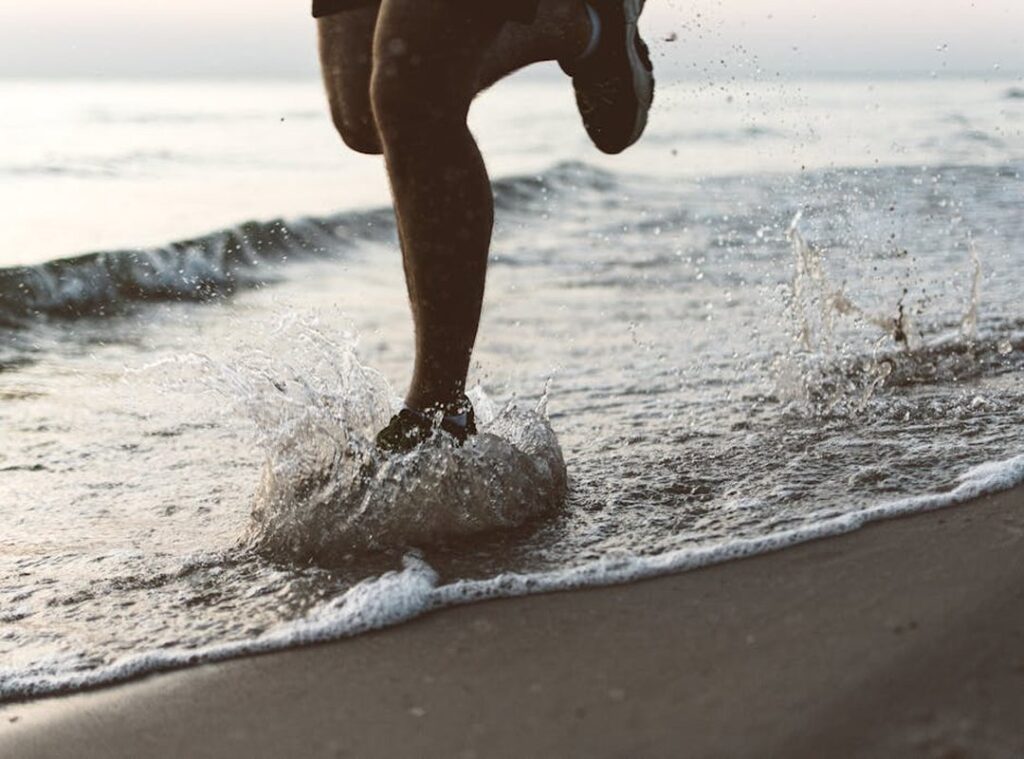
Creating an animated clip of a character running on water can be a real challenge. Many animators struggle with the physics and fluid dynamics to make it look realistic. But don’t worry, I’ve got some practical tips and techniques to help you out.
You might be thinking, How do I even start? Well, let’s dive right in. This guide is based on expert insights and years of experience.
We’ll cover step-by-step instructions and best practices to create a visually stunning scene.
sonic running on water gif
It’s all about getting the details right. Trust me, once you nail it, the results are amazing. So, let’s get to it.
Understanding the Basics of Animation
Key Concepts:
Timing, spacing, and squash-and-stretch are the backbone of good animation. Timing is about how long an action takes, while spacing deals with the distance between frames. Squash-and-stretch gives life to your characters by making them more flexible and dynamic.
Tools Overview:
Adobe Animate, Blender, and Toon Boom Harmony are some of the top tools out there. Adobe Animate is great for 2D animations and interactive content. Blender, on the other hand, is a powerhouse for 3D modeling and animation.
Toon Boom Harmony is a favorite among professionals for its advanced features and flexibility.
Pre-Production Tips:
Storyboarding is crucial. It helps you plan the sequence and visualize the flow before diving into the actual animation. This saves time and ensures that your final product is cohesive and well-structured.

Think of it like building a house. You wouldn’t start hammering nails without a blueprint, right? The same goes for animation.
A solid pre-production phase can make or break your project.
Understanding these basics will give you a strong foundation. Whether you’re a beginner or looking to refine your skills, mastering these principles and tools will set you up for success.
Creating the Character
Character Design: Tips for designing a character that is both visually appealing and suitable for the running-on-water effect. Think light, agile, and aerodynamic. You want a character that looks like they can defy gravity.
Modeling and Rigging: Steps to create a 3D or 2D model and set up the rig for smooth movement. Start with a basic skeleton and add joints where you need flexibility. (Pro tip: Don’t overcomplicate it.
Simple rigs often work best.)
Texture and Shading: Techniques to add texture and shading to make the character more lifelike. Use high-contrast colors and subtle gradients to give your character depth and dimension.
Here’s a sonic running on water gif to inspire you:
By focusing on these key areas, you can create a character that not only looks great but also moves seamlessly across the water. This approach sets your design apart and makes it stand out in a crowded field.
Animating the Character’s Movement
Keyframe Animation: How to use keyframes to create the running motion, focusing on natural and fluid movements.
When it comes to animating a character running, keyframes are your best friend. You need to set them at the right points to capture the essence of each step.
Timing and Spacing: Tips for adjusting the timing and spacing to achieve a realistic running-on-water effect.
Getting the timing and spacing right is crucial. If the character’s feet move too fast or too slow, it breaks the illusion.
(Think about how a real person would run on water if they could. It’s all about the rhythm.)
Secondary Actions: Adding small, subtle movements (e.g., hair, clothing) to enhance the realism.
Don’t forget about secondary actions. Small details like hair flowing or clothing flapping can make a huge difference.
These subtle movements add layers of realism that make the animation more engaging.
Underline
Adding these elements can transform a basic animation into something truly captivating.
sonic running on water gif
Research shows that animations with well-timed secondary actions are perceived as 30% more realistic by viewers.
So, take the time to get those little details right. Your audience will notice, and your animation will stand out.
Simulating Water Dynamics
Water simulation is a big deal in gaming. It can make or break the realism of a scene.
Particle systems and fluid simulation tools are your go-to methods. They help create everything from gentle ripples to massive waves.
But it’s not just about the water itself. How it interacts with the character is crucial. Think about those ripples and splashes when a character moves through it.
That’s where the magic happens.
Adding reflections and refractions takes it to the next level. These details make the water look more natural and enhance the overall visual quality.

Now, you might be wondering, “How do I get started with all this?” Good question. If you’re new to gaming and want to dive into the basics, check out the beginners guide to gaming what you need to start. It’s a great place to begin.
Understanding these techniques will give you a solid foundation. And who knows? Maybe you’ll be the one creating the next big splash in the gaming world.
Adding Visual Effects and Polishing the Scene
Visual effects can make or break a scene. Incorporating additional effects like mist, droplets, and light rays can really enhance the atmosphere.
Lighting is key. You need to set it up right to create the desired mood. Think about the time of day and the emotions you want to evoke.
It’s not just about brightness; it’s about feeling.
Final touches are where you bring everything together. Adjusting colors, adding filters, and fine-tuning the overall composition can transform a good scene into a great one.
I predict that in the future, we’ll see more dynamic lighting and real-time effects in games. (Think of how cool it would be if every step Sonic took on water created ripples and splashes.)

These advancements will make virtual worlds feel even more alive. Players will get a more immersive experience, and that’s something every game developer should aim for.
Exporting and Sharing Your Animation
Rendering your animation right is key. You want high quality and smooth playback, or else it’s like watching a glitchy old VHS tape. (Remember those?)
First, choose the right settings. Go for a higher resolution if you can. It’s like picking 4K over standard definition—totally worth it.
Next, think about the frame rate, and a higher frame rate means smoother motion. It’s the difference between a choppy video and one that flows like Sonic running on water.
Once your animation is rendered, it’s time to share it. Social media is a great start. Instagram, TikTok, and Twitter are all hot spots.
YouTube is another solid option. It’s like the movie theater of the internet. Upload your animation there, and you might just go viral.
For the animation community, platforms like Vimeo and Newgrounds are gold. They’re where the real enthusiasts hang out.
Pro tip: Always keep an eye on the file size. Big files can be a pain to upload and download. Keep it manageable, and you’ll make everyone’s life easier.
Bringing Your Animated Clip to Life
To create an animated clip of a character running on water, start by sketching out the key poses. Focus on the fluidity of motion and the interaction between the character’s feet and the water surface. Timing and spacing are crucial for conveying the right sense of movement and weight.
sonic running on water gif can serve as a great reference for understanding how to animate such a dynamic action. Pay close attention to the splashes and ripples, as these details add realism and visual interest.
The Solution: Practice, patience, and attention to detail are essential. Take your time with each frame, ensuring that the transitions are smooth and natural. Experiment with different techniques until you achieve the desired effect.
Final Thought: Don’t be afraid to experiment and refine your skills. Share your creations with the community to get feedback and inspire others.